


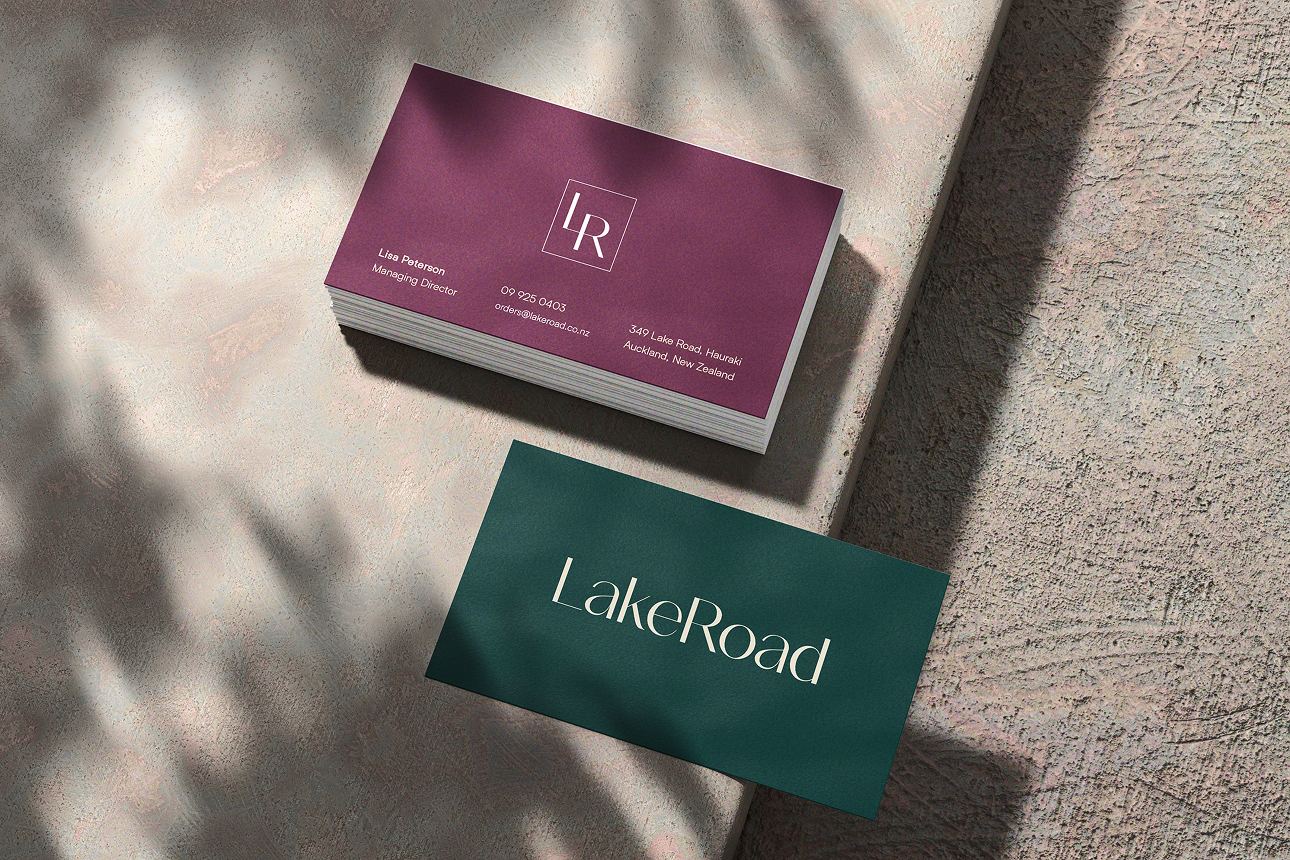
Beyond the Logo: Building a Strong Brand Identity from Scratch
When most people think of branding, they picture a logo. But a logo is just the tip of the iceberg. A strong brand identity is much broader. It is how your business looks, sounds, and feels across every touchpoint.
Your brand identity shapes how people perceive you before they ever speak to you. In fact, research shows that 94% of first impressions are design-related. That means your visuals and presentation are doing most of the talking early on. Getting this right matters.
This article looks at what brand identity really means, why it plays such a big role in trust and perception, and how businesses can build a cohesive identity from the ground up.
What Brand Identity Really Means
Brand identity is the collection of visual and verbal elements that represent who your business is, often documented in a set of brand guidelines. This includes your logo, as well as your colours, typography, imagery, layout style, and tone of voice.
Together, these elements communicate your values, personality, and positioning. They help people understand what kind of business you are and what they can expect from working with you.
A brand identity should feel intentional. When everything works together, your business feels confident, credible and consistent. When it doesn’t, people notice. Inconsistency creates doubt, even if the product or service itself is solid.
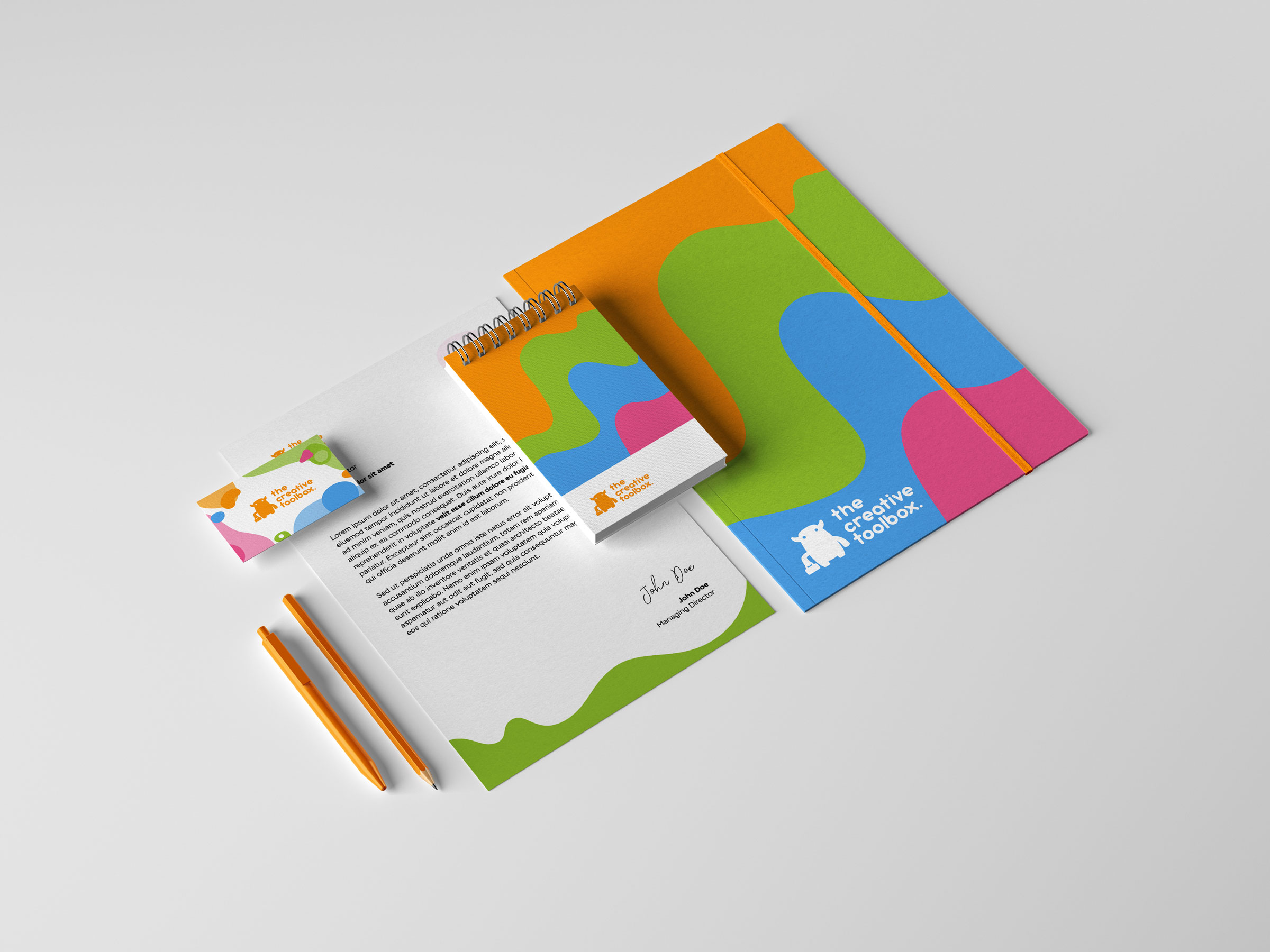
What Goes Into Brand Guidelines
A brand identity isn’t built from one element alone. It’s the result of multiple parts working in harmony. From your origin story to your visuals and tone of voice, each element plays a role in shaping how your business is perceived.
When these components are defined clearly and used consistently, they create a cohesive experience that builds trust and recognition. Together, they form the foundation of your brand guidelines, the document that ensures your brand shows up the same way everywhere it appears.
1. Brand Foundations
Every strong brand starts with a clear sense of purpose. This includes your origin story, vision, mission statement, and a tagline that captures your value in a few memorable words. These foundational elements help guide internal decisions and give external audiences a reason to care.
2. Core Values
Your values act as a compass for how your brand behaves. They should be clear, actionable, and reflected across everything you do, from how your team communicates to how your visuals make people feel. When your design and messaging reflect your values, people feel the difference, and that builds trust.
3. Brand Persona
Your audience shapes your identity. Who you’re talking to, their needs, goals, language, and behaviours, will influence how your brand presents itself. A brand that speaks to fast-moving startups might sound and look very different from one serving healthcare professionals or government clients.
4. Brand Personality
This is where tone, character, and emotional traits come into play. It includes how your brand sounds (your tone of voice) and how it behaves. Is it playful or serious? Bold or understated?
For example:
Verum likes to be bold, curious, and creative. We dislike being overly corporate, vague, or safe.
These personality traits create consistency across both visuals and messaging, and they shape how your brand feels in practice.
5. Brand Visual System
This is what most people initially associate with branding: your logo, colour palette, typography, and iconography. Each plays a distinct role:
- Logo: The visual anchor of your brand. It should be simple, recognisable, and versatile. A good logo works well in all sizes and formats, and must be effective in black and white before colour is introduced.
- Colour Palette: Colour sets emotional tone. It instantly communicates mood, trust, energy, creativity, and calm. Just as importantly, your colours should reflect your brand’s core values and personality.
- Typography: Fonts express tone and intent. A clean sans serif might feel modern and open, while a serif can convey tradition or refinement. Typography helps position your brand on the spectrum from fun and expressive to polished and formal, and supports a consistent tone of voice across mediums.
- Iconography: Icons should feel stylistically unified and match the broader tone of your brand, minimalist, expressive, functional, etc.
6. Graphic System and Imagery
This is where your brand comes to life in the real world, across posters, websites, packaging, social content, and campaigns. It includes your photographic style, illustration, composition rules, and how your visual elements work together in practice.
A cohesive visual system helps your brand remain instantly recognisable, no matter the channel or context. Inconsistency here weakens trust and confuses audiences.
Why First Impressions Matter So Much
People make snap judgments. In just milliseconds, they decide whether a brand feels credible, professional, or worth their attention. Almost all of that judgment is visual.
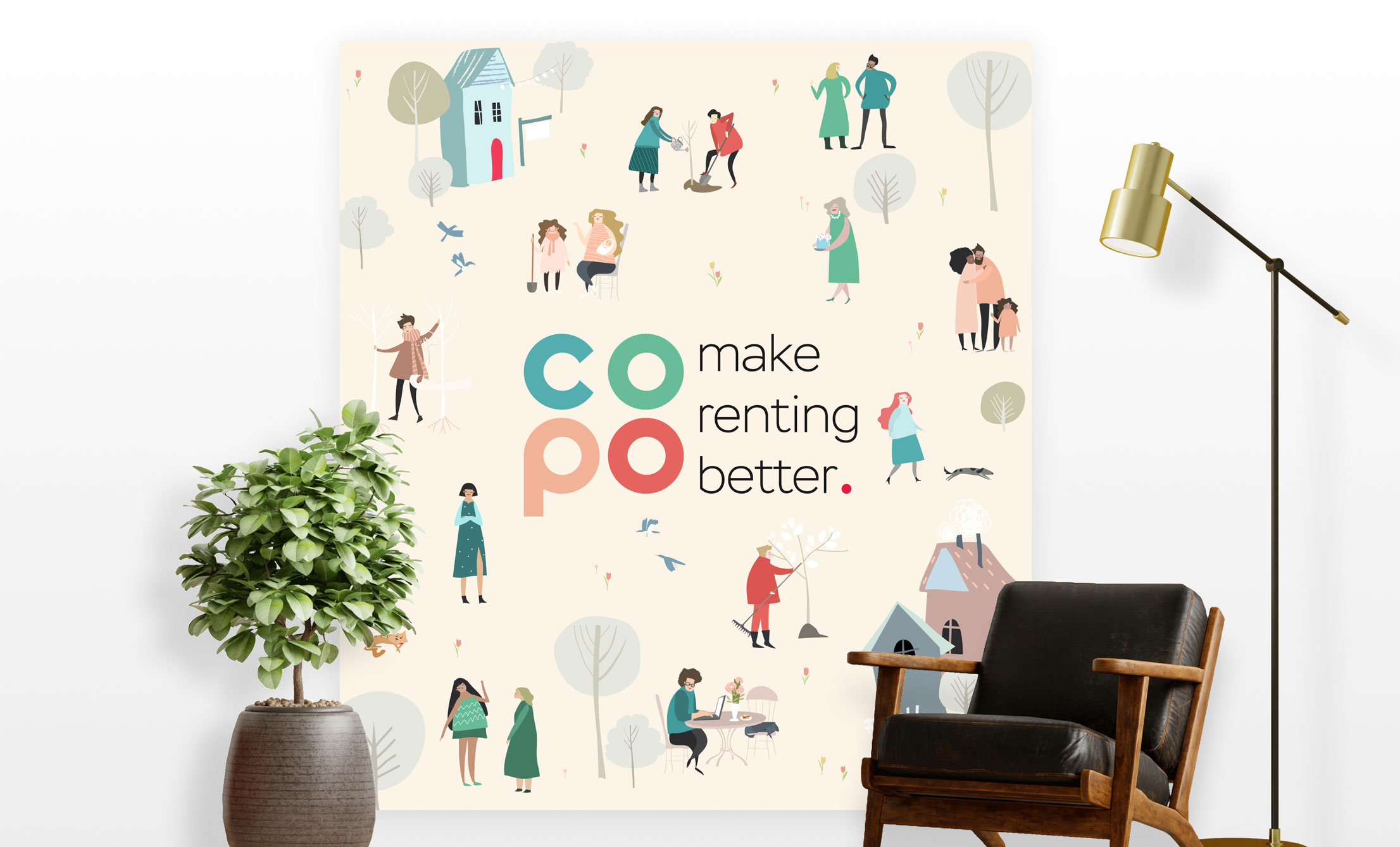
Design is your first impression. Before a word is read or a product explored, your brand identity is working; either building trust or eroding it. A polished, cohesive identity signals confidence and quality. An inconsistent or outdated one raises red flags.
This isn't about looking pretty. It’s about setting expectations, establishing credibility, and creating a brand people want to engage with. Because if the design feels off, your audience won’t stick around long enough to see what you actually offer.
Brand Identity and Trust
Trust isn’t just earned through what you say. It’s built through how you consistently show up. A strong brand identity creates familiarity, and familiarity builds comfort.
Over time, this consistency pays off in subtle but powerful ways. When someone sees your brand colours, hears your tone, or recognises your visual style out in the world, it sparks a sense of recognition. Even if they don’t realise it consciously. That sense of “I know this brand” builds trust without effort, making people more likely to engage, return, and choose you again.
Bringing It All Together
A great brand identity doesn’t begin with design. It begins with clarity. Clarity about who you are, what you stand for, and how you want to be remembered. Once that foundation is in place, every element, from your logo to your language, becomes a tool for shaping perception.
When those tools work in harmony, your brand becomes more than recognisable. It becomes trusted. Memorable. Cohesive in a way that builds confidence with every interaction.
Establishing a brand identity isn’t just a creative exercise. It’s a critical strategic step toward growth. It’s what transforms a product into a brand, and a brand into something iconic. Think Nike, Apple, Coca-Cola, their visuals are famous, but it’s the consistency and conviction behind them that make them unforgettable.
If you're building a brand that people remember, or refining one that’s already in motion, let’s chat. We’d love to hear what you’re working on and explore how to help your brand show up with clarity and confidence - visually, verbally, and strategically.


