AI in Everyday Life: Threat, Tool, or Opportunity?
AI won't make us dumber or take every job, but how much it helps depends on how wisely you use it.

TL;DR
AI is more opportunity than threat: it automates repetitive work and speeds up creativity, problem-solving and decision-making, but it still needs human judgment to get things right. For New Zealand small businesses, the clearest wins are in customer service, inventory, targeted marketing, creative production and agriculture.
For most people and small businesses, AI is more opportunity than threat. It's a tool that automates repetitive work and speeds up creative and strategic thinking, and like any technology, it only shapes us as much as we let it.
AI is here and it's evolving fast. The question on everyone's mind is whether it will take our jobs and make us "significantly dumber", or whether, used wisely, it will help us do more than ever. Calculators changed how we approach maths, but they also made complex calculations possible. AI is similar. It's a feature that helps us past challenges like writer's block by giving us content, though often without context. It's here to support people, not replace them.
What is AI?
At its core, AI is technology that mimics human intelligence to perform tasks, from simple automation to complex decision-making. It can handle repetitive tasks, analyse huge amounts of data and even help with creative projects. It isn't designed to replace humans. It complements our abilities and acts as a tool for productivity and innovation.
How is AI being used as a feature?
The key is to see AI as a feature that improves existing products and services, not a standalone technology or a replacement for workers. Here's how it's being used:
- Software development: AI tools help with repetitive, rule-based tasks like unit testing and code suggestions. These need precision and consistency, but not the creativity or critical thinking that human developers bring to debugging and architecture.
- Content creation: AI can help writers past writer's block by generating outlines, ideas or full drafts. But it often lacks the understanding of context, emotion and audience that human writers bring.
- Creative collaboration: In film and design, AI speeds up repetitive tasks like editing and colour grading, so artists can focus on storytelling. Wharton Professor Ethan Mollick suggests treating AI tools as collaborators that help us explore new ideas and ways of working.
How does AI improve productivity?
AI can change how we work by taking over time-consuming, repetitive tasks:
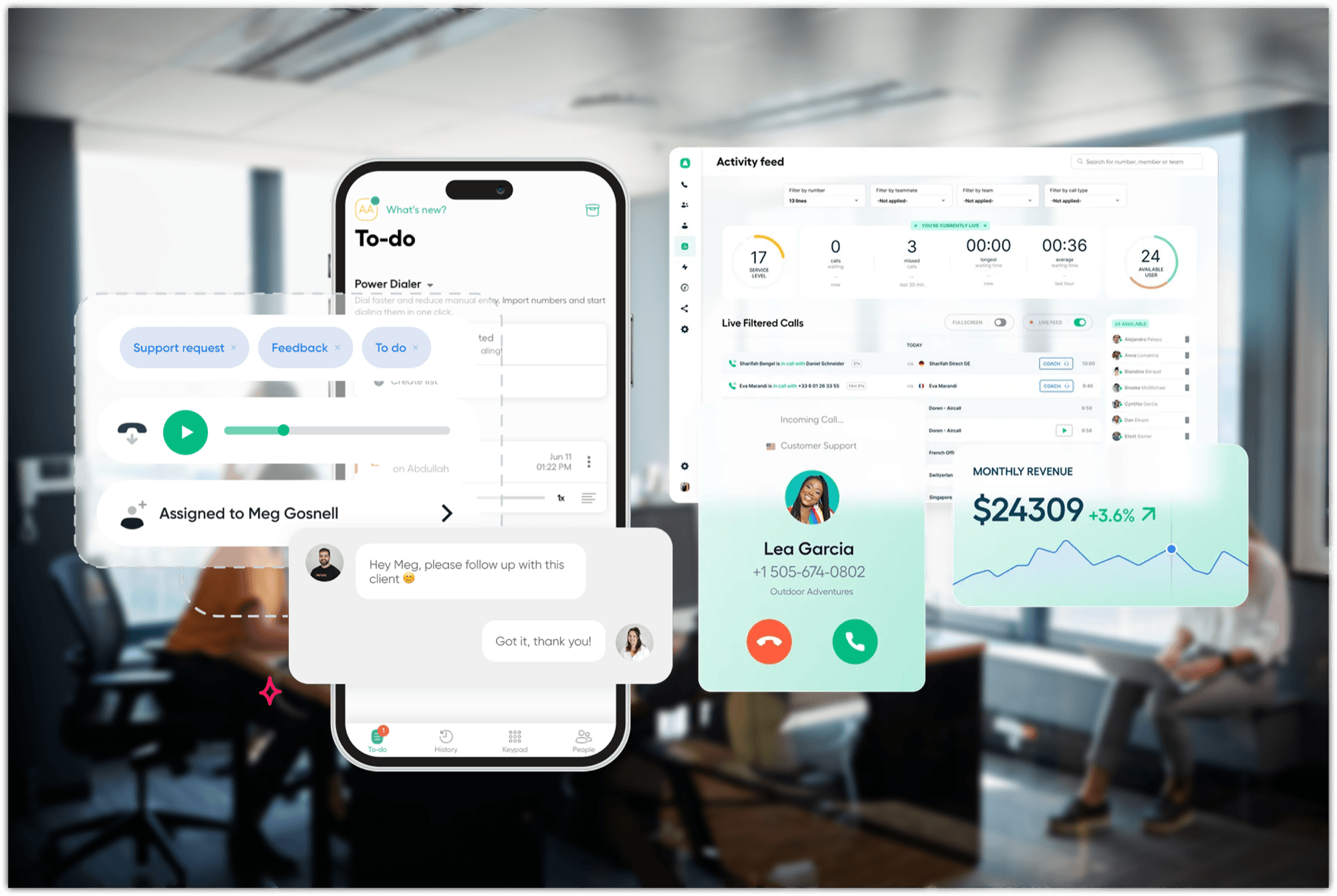
- Automating mundane tasks. AI is good at repetitive, low-value work like sorting emails, scheduling and answering customer queries. Chatbots can handle FAQs, freeing customer service teams for complex or personal issues, so people can spend their time on strategy, creativity and decisions.
- Improving business efficiency. AI tools can analyse data, predict trends and optimise operations. For example, AI can streamline supply chain management by forecasting demand or spotting inefficiencies, which cuts costs and improves service.
- Speeding up creativity and problem-solving. In product development and content creation, AI can generate ideas, suggest solutions and simulate outcomes. Developers use it to pre-test features and catch bugs early, which speeds up the whole cycle.
- Sharpening strategic decisions. By analysing large volumes of data, AI gives businesses insights they can act on. From marketing to financial planning, it helps organisations make better-informed decisions with less risk.
How can NZ small businesses use AI?
Small businesses are the backbone of New Zealand's economy, and AI offers them real opportunities to grow:
- Small businesses: Many Kiwi businesses, from local cafes to ecommerce stores, use AI to improve customer service, manage inventory and run targeted marketing campaigns. Automating routine tasks frees owners to focus on growth.
- Creative industries: New Zealand's film, design and music sectors use AI to speed up production, especially in editing and post-production, saving time while bringing creators' visions to life.
- Agriculture: New Zealand's agricultural sector uses AI to optimise resources, predict weather patterns and improve crop yields. AI-powered drones and sensors help farmers work smarter and more sustainably.
Why does AI still need human oversight?
AI is powerful, but far from perfect. People need to check that its outputs are accurate, ethical and aligned with your goals. For example:
- AI might produce a solution based on data, but it lacks the context and emotional intelligence to weigh the wider implications.
- Fields like healthcare and education rely on human empathy and judgment, where AI falls short.
As OpenAI CEO Sam Altman explains, AI will create new job opportunities, but those roles may look different from traditional ones. Adapting means keeping humans involved in decision-making.
How should you start using AI?
Take a proactive approach:
- Learn the basics. Whether you run a small business or work in a professional role, get familiar with tools like ChatGPT, Jasper or Canva to see how they can make your work easier.
- Test AI in your business. Experiment in areas like digital marketing, customer support or operations to find where it adds value.
- Stay adaptable. The technology moves quickly, and staying informed helps you stay competitive.
When off-the-shelf tools aren't enough, bespoke development can build AI into the systems your business already runs.
So, is AI a threat, a tool or an opportunity?
AI isn't just a buzzword. It's a tool with real potential to reshape industries and improve lives. Treat it as a feature that strengthens human skills rather than replacing them, and you get the best of it, whether that's automating routine tasks, speeding up creative projects or helping a small business grow.
So, how will you use AI? Treat it as a tool for innovation, work smarter and let it complement your skills, because AI is here to stay. If you'd like help working out where it fits in your business, get in touch.
Want a hand with this?
Our Auckland team does AI strategy & audits for New Zealand businesses every day.
- AI
- Small business
- Productivity
- New Zealand